


We are an outstanding village school where every child is known, grows in character, and goes beyond — with wraparound care from 7:30am to 6pm.
Book your tour today
Book a tour
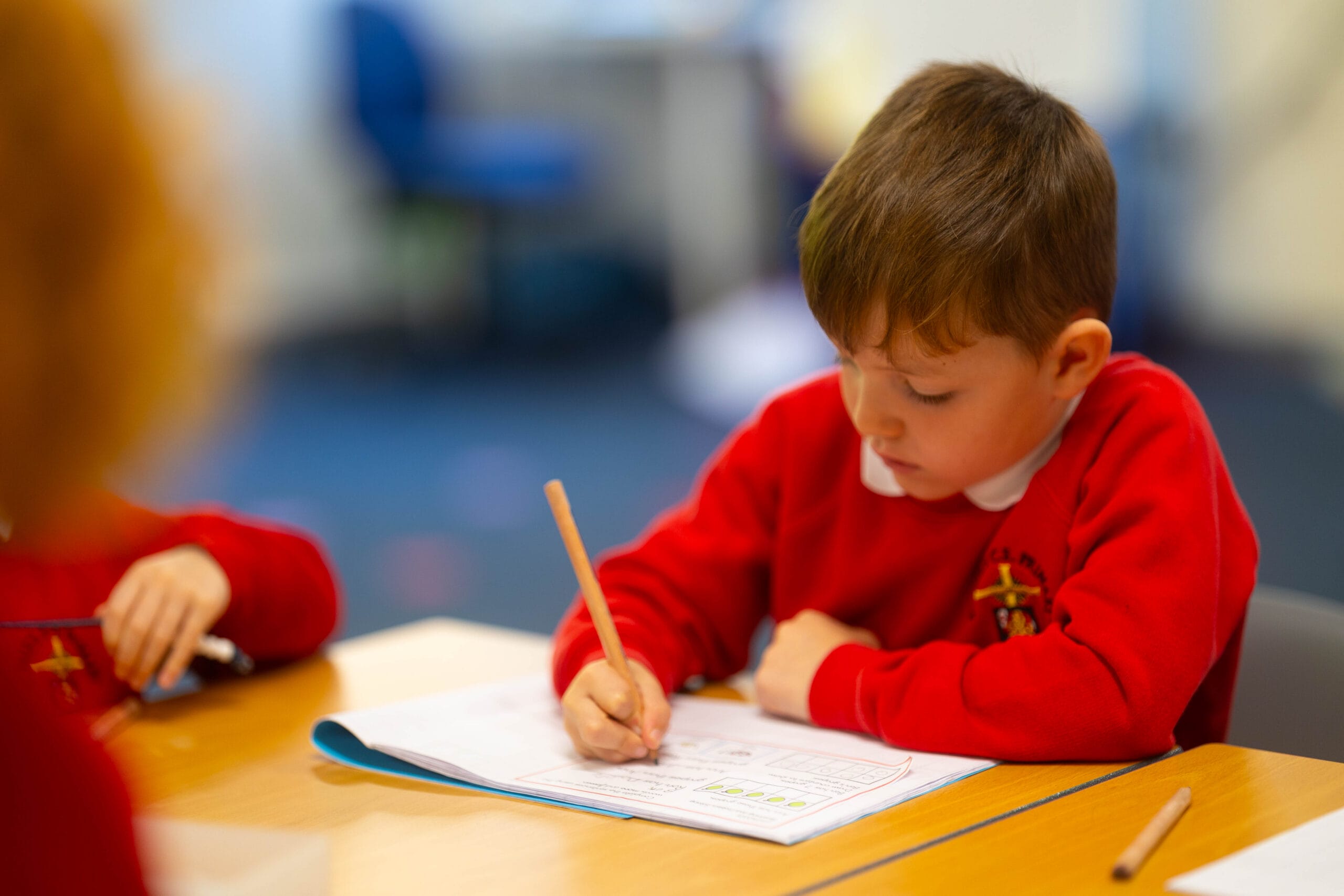
Assessment helps us understand progress and plan next steps so every child keeps moving forward.
At our school, assessment is an integral part of high-quality teaching and learning. We believe that effective assessment enables us to understand each child’s individual starting points, recognise their achievements, identify their next steps and ensure that teaching is responsive to their needs.
Our approach combines ongoing assessment within the classroom with carefully planned, more formal assessments throughout the academic year. This enables us to build a comprehensive picture of each pupil’s attainment and progress, ensuring that every child receives the support and challenge they need to succeed.
Assessment begins when children join us in Pre-School and Reception. We recognise that every child arrives at school with their own unique experiences, strengths and stages of development.
We use the Reception Baseline Assessment (RBA) alongside our own observations and assessments to establish an understanding of children’s starting points.
Our assessment practices in the Early Years include:
Assessment information is used to plan meaningful learning experiences, identify children requiring additional support and ensure that teaching responds to individual developmental needs.
As children progress through school, we use a combination of formative and summative assessment to monitor attainment, evaluate progress and inform future teaching.
Our assessment framework includes:
By drawing on a range of assessment information, rather than relying on a single test or measure, we develop a more rounded and accurate understanding of each child’s learning.
Assessment is not simply about collecting data. Its primary purpose is to improve outcomes for pupils.
Teachers and school leaders regularly review assessment information to identify patterns in attainment and progress, evaluate the impact of teaching and ensure that additional support is directed where it is needed most.
Through pupil progress discussions and ongoing professional dialogue, we use assessment information to:
We are committed to ensuring that assessment is inclusive, meaningful and accessible to all pupils, including those with special educational needs and disabilities (SEND).
We recognise that children have different starting points and may demonstrate their learning in different ways. Where appropriate, assessment arrangements are adapted to reflect individual needs, while maintaining high expectations and ambition for every learner.
For pupils with SEND, we consider a range of evidence to recognise progress towards individual learning outcomes, alongside their achievements within the wider curriculum.
We value our partnership with parents and carers and recognise the important role families play in supporting children’s learning.
We share information about children’s attainment, progress and next steps through parents’ meetings, school reports and ongoing communication throughout the year.
Our aim is to ensure that parents and carers have a clear understanding of how their child is progressing and how we can work together to support their continued development.
At the heart of our approach is the belief that assessment should inform teaching, celebrate achievement and drive improvement.
By combining professional teacher judgement with a carefully structured programme of assessments, we ensure that our understanding of pupils’ learning is accurate, purposeful and used to make a positive difference.
Our ultimate aim is simple: to know every child well, understand their learning needs and ensure that every pupil has the opportunity to achieve, succeed and flourish.
We are an outstanding village school where every child is known, grows in character, and goes beyond — with wraparound care from 7:30am to 6pm.
Book your tour today
Book a tour